Garden Clearance in Downham

Garden clearance in Downham means clearing unwanted outdoor waste, untidy growth and leftover materials so a plot is ready for practical use again. Our service is designed for homeowners, landlords and property managers who want the work handled in an organised way, with the emphasis on safe removal, sensible sorting and a tidy finish. We deal with common garden clutter as well as heavier items that can be awkward to move without the right plan, helping turn a neglected space into one that is easier to manage.
We clear many forms of outdoor waste, including branches, hedge cuttings, soil, broken plant pots, timber offcuts, old sheds, fencing sections and general garden junk. Where items can be separated for reuse or recycling, we do that as part of the job rather than sending everything into one mixed load. That approach keeps the process efficient and supports better disposal choices, which matters when a garden contains several different materials gathered over time.
To request a quotation, it helps to think through what needs removing, how accessible the space is and whether there are bulky items hidden behind overgrowth. A short description of the work is often enough to start, and photos can be useful if the site is difficult to view clearly. If you already know the rough volume of waste, mention that as well; it helps us shape a clearer estimate and recommend the most suitable clearance approach.
What our garden clearance service covers
Our garden clearance service is aimed at the practical jobs that build up when a garden has been left for a while, has been redesigned or simply needs a thorough tidy-up. We remove loose waste, cut vegetation and a wide range of non-hazardous outdoor items, then load and take them away in one organised visit. The goal is to make the outdoor area safer to walk through, easier to use and simpler to maintain afterwards, without leaving you to sort through pile after pile yourself.
We can deal with mixed green waste and general rubbish in the same clearance where the material allows it, which is helpful after pruning, seasonal cutbacks or landscaping changes. If a garden contains items such as cracked planters, damaged trellis, old compost sacks, broken garden furniture or sections of timber, these can often be handled alongside the softer waste. Careful sorting at the point of collection is important because it supports better disposal routes and keeps the process straightforward for the customer.
Types of outdoor waste we commonly remove
Typical clearances may include overgrown branches, leaves, grass cuttings, roots, weeds, small logs, unwanted ornaments, plastic edging, damaged screening and general shed or patio clutter. Depending on the site, we may also take away dismantled fencing, broken decking pieces, old bags of garden material and items that have been stored outdoors for too long. The work is always shaped by the actual contents of the garden, so the service stays focused on practical removal rather than generic tidy-up advice.
Handling overgrown and neglected gardens

Some gardens need more than routine waste removal. Over time, a neglected plot can gather dense plant growth, tangled cuttings and hidden debris that make access awkward. In those cases, we concentrate on clearing back the waste in a steady, methodical way so the area becomes usable again. This often means removing material from several parts of the garden, including corners, along fences, beneath shrubs and around stored items that have been partly covered by growth.
Where access is restricted, the clearance plan matters as much as the load itself. Narrow side passages, uneven ground, steps and wet surfaces can all affect how waste is brought out safely. We work with the layout of the site and the type of material present, choosing a method that suits the conditions rather than forcing a one-size-fits-all approach. If there are items that need to stay in place, they can be identified in advance so they are left untouched.
For customers comparing options, it is worth noting that a more overgrown site usually takes longer to clear than a lightly cluttered one. The shape of the work is influenced by the density of growth, the mix of waste and whether heavier objects are buried beneath the visible material. That is why a proper quotation is best based on the actual garden rather than a rough guess from the name of the job alone.
Waste sorting, loading and responsible disposal
Our service does not stop at lifting items out of the garden. We also sort and load the waste in a way that supports sensible disposal, rather than leaving everything as one undifferentiated pile. Green waste, timber, mixed household items and metal parts can often be separated into different streams, depending on what is being cleared. That makes the collection more orderly and gives a better result for customers who want the garden dealt with properly from start to finish.
We also consider whether certain materials need special handling because of their condition or composition. For example, soil, rubble-like spoil and compacted debris may need to be loaded differently from light vegetation, while larger pieces of wood or fencing may need breaking down before they can be moved efficiently. The aim is to remove what is there in a controlled way, keeping the work neat and avoiding unnecessary disturbance to the rest of the property.
Materials that can shape the job
Different garden materials change the time, labour and vehicle space required, so they are a key part of any quotation. A clearance made up mostly of cuttings is not the same as one containing old sleepers, thick roots, broken garden structures or a heavy quantity of damp waste. By describing the main materials clearly, you help create a more accurate price and ensure the job is planned with the right resources from the outset.
Garden structures and bulky outdoor items
Many garden clearances involve more than loose waste. Customers often need unwanted structures and larger items removed as part of the same visit, especially where the garden is being redesigned or prepared for new use. We can handle bulky outdoor pieces such as sheds, benches, damaged tables, broken plant stands, old fencing sections and other items that are awkward to move on your own. These are assessed in context so the clearance remains safe and manageable.
Bulky items may need dismantling before they can be carried out, particularly if they are too large to remove in one piece or are fixed in place. The condition of the item, the material it is made from and the space around it all matter. A timber structure in dry condition is very different from one that is waterlogged or partly collapsed, and the practical plan should reflect that. Clearance is often easier when large items are identified early, because the method can be matched to the load before the visit begins.
If your garden contains a mixture of loose waste and heavier items, it is sensible to include both in the same enquiry. That gives a fuller picture of the task and avoids the need to separate the removal into several smaller jobs. The more complete the description, the more useful the quotation will be and the better the collection plan can fit the site.
Preparing for a quotation
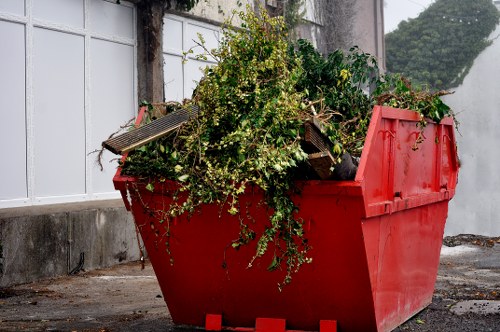
Most quotations are easier to prepare when the customer gives a clear description of the garden and its contents. A rough list of the main waste types, any large objects and anything awkward about access usually provides a strong starting point. If the garden is long, partially enclosed or heavily overgrown, that is useful to mention too. This is not about making the job sound more complicated than it is; it simply helps the quote reflect the actual work needed.
Photos can be useful where the garden cannot be seen clearly from a brief description alone. They help show how densely packed the waste is, whether there are obstacles in the way and how much of the area is being cleared. If items are stacked in layers or partly hidden, images can make a notable difference to the estimate. A good quotation should be based on the real shape of the job, not on assumptions, so a little detail up front can save time later.
- List the main items to be removed, including bulky pieces.
- Say whether the waste is mostly green material, mixed rubbish or both.
- Explain any access limits such as narrow paths, side gates or steps.
- Mention if items are stacked, buried or spread across several parts of the garden.
Why the layout of the site matters
Garden clearance is shaped not only by the volume of waste, but also by how that waste is positioned. A straightforward pile near a driveway is much simpler than material scattered across beds, paths and corners of the garden. Site layout affects the carrying route, the time needed to collect the waste and how carefully the work must be sequenced. When the path to the exit is clear, the job can usually be completed more smoothly.
Access is especially important where a property has limited side space, low gates or steps that make moving bulky items less direct. If wheelbarrows, sacks or dismantled pieces need to pass through tight areas, the plan may need extra care to avoid damage to plants, paving or fences. This is one reason why an on-the-day approach without preparation can be less efficient than a quotation based on a proper description. It is also why a measured, site-aware method usually produces a better result.
The best outcomes tend to come from clear communication about what must be removed and what must remain in place. That does not require a long explanation, but it does mean identifying fixed structures, fragile planting and any surfaces that need to be protected. Once those points are understood, the clearance can be handled in a way that suits the garden rather than disrupting it.
Other clearance work we can combine with the garden
Sometimes an outdoor clearance naturally overlaps with other spaces on the property. A garage, loft or storage area may hold items that belong in the same overall tidy-up, particularly where garden tools, furniture or old household goods have been moved out of use and left for collection later. When that happens, we can keep the work joined up so the site is cleared in a logical sequence rather than as disconnected small tasks. This is useful for customers who want a broader reset of the property.
We also handle waste that is not strictly garden material but still affects the appearance and usability of the outside space. Broken furniture, mixed household clutter, old planters, containers and similar items can often be removed alongside the green waste, provided they are listed clearly. Furniture clearance can be helpful where outdoor seating, tables or other worn items are part of the problem, while a more mixed load may fit better with waste removal if the garden contains a varied collection of unwanted material.
Keeping the job efficient
Efficient clearances usually come from grouping similar tasks together and describing the full scope from the outset. If there are items in more than one part of the property, it is often easier to plan them as a single visit than to approach each small section separately. That does not mean every clearance has to be large; it simply means that a complete picture can save time, reduce duplication and make the end result more coherent.
Planning the work around your garden
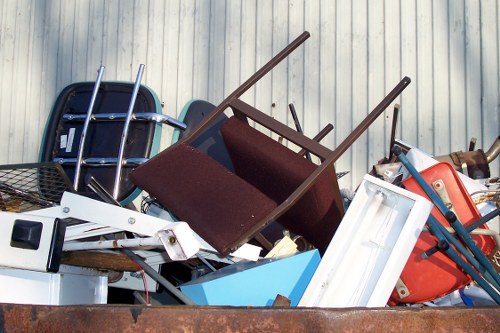
Before any clearance begins, it helps to think about how the garden is being used and what the end result should be. Some customers want a complete strip-out ready for landscaping, while others need a partial tidy to recover paths, patios or growing spaces. The work can be adapted to either goal, provided the scope is made clear. We are focused on removing the waste and unwanted items, not on turning the garden into something it is not.
That distinction matters because a clearance can be thorough without being overdone. For example, you may want to keep planters, edging, trellis or intact features that still have a use. By identifying those elements before the job starts, the removal can stay focused on the waste rather than disturbing useful parts of the garden. This is particularly helpful in smaller outdoor spaces, where every section has more than one possible purpose.
Where a garden includes recyclable or reusable materials, separating them from the general waste can be worthwhile. Timber, metal and clean green waste often follow different handling routes, and the final load can be planned accordingly. That is one of the practical reasons to describe the contents clearly when asking for a quote: it allows the clearance to be matched to the material, the access and the expected volume in one coherent plan.
About Downham
Downham is a district in the London Borough of Lewisham, in south-east London, and its character is shaped by a mix of residential streets, open spaces and long-standing transport links. The area is often associated with its interwar suburban development, yet it also sits within a wider landscape of established neighbourhoods that have changed over time. Downham began as a large housing estate developed in the 1920s and 1930s on land that had previously been rural, and much of its street pattern still reflects that planned suburban origin. The estate was built to help address overcrowding in inner London, giving the district a strong historic link to the capital’s wider housing story. Nearby open spaces such as Beckenham Place Park and the green corridors around the district contribute to a sense of openness that is not always expected in a dense city borough. The area is also connected by a network of local roads and rail stations at the edges of the district, which tie it into surrounding parts of Lewisham, Bromley and south London more broadly. Like many parts of London, Downham has seen gradual change through housing renewal, shifting local services and the everyday evolution of shops, schools and community facilities, while still retaining its identity as a recognisable neighbourhood with clear boundaries and a settled residential feel. Its history as a planned estate, combined with later layers of urban life, gives it a practical, lived-in quality rather than the feel of a single-purpose suburb.
How to book the right clearance
Choosing the right clearance starts with describing what is actually present, not just the type of property it came from. A garden full of cuttings and soft waste is a different job from one containing damp timber, broken fixtures and stacked outdoor furniture. The more accurately the contents are described, the easier it is to shape the collection plan and avoid avoidable delays. If the garden has been partly cleared already, that can also be mentioned so the remaining waste is estimated properly.
It can help to note whether the work is urgent because of access, appearance or an upcoming project, although the quotation itself should still be based on the task rather than on pressure. If you are unsure how to describe the load, a simple summary of the main items and the state of the garden is enough to begin. Our aim is to make the process straightforward, with the quote reflecting the scope of the work in clear terms.
For a neat result, ask for a quotation once you know the main items and have a rough sense of the access. Pricing and quotes gives a useful place to begin when you want to compare the likely scope of work before arranging collection, and contact us is the natural final step when you are ready to outline the garden and request a quotation.
Clear, practical garden clearance for Downham properties

Garden clearance in Downham is most useful when it is handled as a practical removal service rather than a vague tidy-up promise. The service should take account of the materials in the garden, the access available and any features that need to stay in place. Whether the job involves overgrown cuttings, old outdoor furniture, broken timber or mixed garden waste, the objective is to clear the unwanted material in an orderly way and leave the space easier to work with afterwards.
We can also help where the garden forms part of a wider property clearance, particularly if the outside area has accumulated items over time from sheds, garages or adjacent storage spaces. In those cases, a connected approach can make the work more coherent and reduce the chance of items being missed. The important thing is to set out the scope clearly from the beginning so the quotation reflects the true scale of the job and the clearance can be carried out efficiently.
If you are ready to move forward, send a brief description of the garden and the main items to be removed, then request a quotation. A straightforward enquiry is usually enough to start the process, and the more clearly the waste is described, the easier it is to provide a useful response. Get in touch when you are ready and we will help you turn the clearance into a clear, manageable plan.