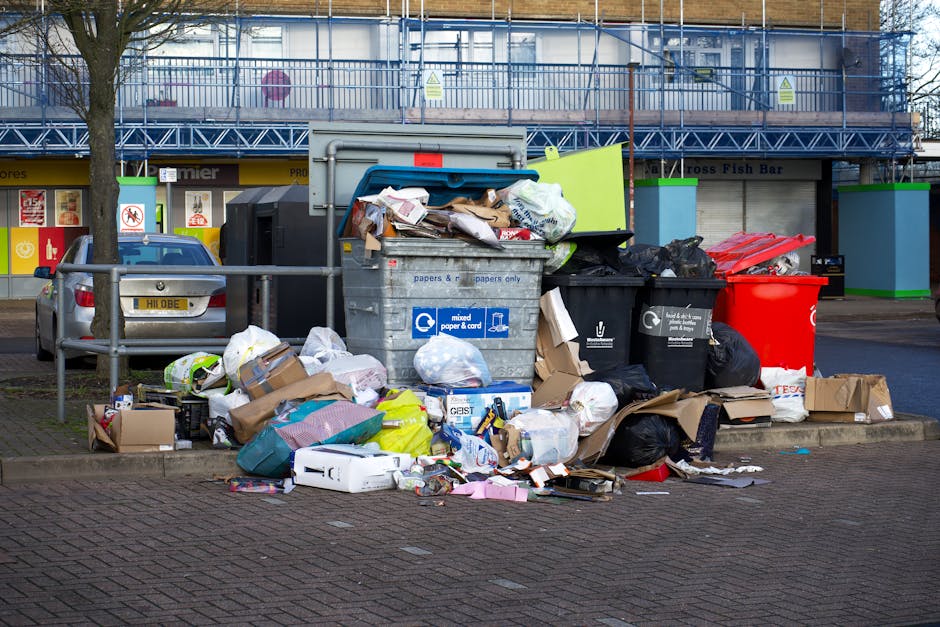
Common problems with driveway bulky rubbish collection Downham
If you have ever tried to clear a driveway full of old furniture, broken fence panels, garden offcuts, or renovation leftovers, you will know it is rarely as simple as "just move it out". The reality of Common problems with driveway bulky rubbish collection Downham is a mix of access issues, sorting headaches, timing snags, and the odd last-minute surprise. One minute everything looks manageable; the next, a bulky sofa is blocking the path and the wheelie bins are already full. To be fair, that is usually when people realise they need a proper plan.
This guide breaks down the most common problems, why they happen, and what actually helps. You will also find practical steps, a comparison table, a real-world example, and a checklist you can use before anyone starts lifting. If you are comparing options, it can help to look at related services such as furniture clearance, garage clearance, house clearance, or broader waste removal support, depending on what is actually sitting on the drive.
Table of Contents
- Why it matters
- How driveway bulky rubbish collection works
- Key benefits and practical advantages
- Who this is for and when it makes sense
- Step-by-step guidance
- Expert tips for better results
- Common mistakes to avoid
- Tools, resources and recommendations
- Law, compliance, standards and best practice
- Options, methods and comparison table
- Case study or real-world example
- Practical checklist
- Conclusion
- Frequently asked questions
Why Common problems with driveway bulky rubbish collection Downham Matters
Driveway collections sound straightforward until you are standing in front of a pile of bulky waste with no clear plan for access, sorting, or lifting. In Downham, where properties can vary from tighter front drives to shared access arrangements, small complications often turn into bigger delays. A bin bag is one thing. A mattress, a dismantled wardrobe, or a stack of builders' offcuts is another entirely.
The main reason this topic matters is simple: bulky rubbish can get in the way of everyday life fast. It can block parking, attract complaints from neighbours, become a trip hazard, and make a property feel cluttered or unsafe. If you are preparing for a move, doing a garden refresh, or clearing space after works, driveway waste becomes the thing that quietly holds everything else up. Annoying, yes. But predictable, too.
There is also a money angle. When a driveway collection is poorly planned, the job can take longer, require extra labour, or need a second visit. That can change the quote or create avoidable stress. A little preparation helps protect your time, your space, and frankly your patience.
How Common problems with driveway bulky rubbish collection Downham Works
At its core, driveway bulky rubbish collection involves removing large or awkward items from an accessible outdoor point, often without needing to carry them through the house. That sounds efficient, and often it is. But the success of the job depends on three things: access, item type, and how mixed the load is.
Here is the usual flow. First, the items are assessed. Then the team decides what can be lifted safely, what may need dismantling, what should be separated for recycling, and what will require extra care because of weight, sharp edges, or awkward shape. The collection point matters a lot. A clear driveway is ideal; a driveway with parked cars, low branches, steep gradients, or narrow side access is not so ideal.
In practical terms, the common problems tend to appear in one of these moments:
- items are larger than expected and won't fit neatly in a vehicle;
- the driveway is partly blocked, so loading becomes slower;
- some waste is mixed with reusable items, making sorting harder;
- heavy objects need two-person lifting or dismantling first;
- the collection includes waste that needs separate handling, such as sharp metal or treated wood.
If the driveway is being used as a temporary holding area, that is fine in principle. But the better organised the pile, the smoother the visit. A loose mountain of "stuff" tends to create delay. A tidy, grouped stack is much easier to deal with. Simple enough, but often overlooked.
Key Benefits and Practical Advantages
When a driveway bulky collection is planned properly, the benefits show up fast. You clear space, reduce clutter, and avoid the slow drip of trying to move huge items one by one. It is also easier to manage than pushing everything through hallways, especially in homes where floors are narrow or finishes are delicate.
Some of the most useful advantages are:
- Less disruption indoors - bulky items can often be removed without dragging them through the house.
- Faster clearance - a prepared driveway collection can be done surprisingly quickly.
- Lower risk of damage - less chance of marking walls, scraping floors, or catching door frames.
- Better sorting - if items are laid out clearly, recycling and disposal decisions are easier.
- Reduced stress - you do not have to figure out every stage on the day.
There is a practical side that people often miss: a good collection setup can also reveal what you no longer need. Once the drive is clear, you suddenly notice the old shelving, the broken planter, the rusting bike frame. Little things, but they add up. And yes, it is odd how one clear space makes the rest of the property feel more manageable.
Who This Is For and When It Makes Sense
This kind of collection is useful for homeowners, landlords, tenants, and small businesses dealing with bulky waste that has been staged outside. It also suits people who are in the middle of a house clear-out or preparing for building, garden, or garage work. If the items are already on the drive, you are halfway there.
It makes particular sense when:
- you have one or two large items that are difficult to move alone;
- you are clearing a garage, loft, or outbuilding and have brought everything outside already;
- you have renovation waste left near the front of the property;
- you need the space back quickly for parking or access;
- you are dealing with a combination of furniture, hard rubbish, and general clutter.
If the waste came from a renovation job, the issue may be broader than a single bulky item. In that case, builders waste clearance may fit better than a standard bulky pickup. For office-related overspill, office clearance can be more appropriate, especially where desks, chairs, and filing units are involved.
One thing to keep in mind: the driveway is only a collection point if it is usable. If the vehicle cannot safely approach the items, the job becomes slower and more complicated. That sounds obvious, but in real life it gets missed all the time.
Step-by-Step Guidance
Below is a practical way to prepare for driveway bulky rubbish collection so you avoid the usual problems. It is not glamorous, but it works.
- Sort the waste by type. Separate furniture, general rubbish, metal, wood, garden waste, and anything sharp or hazardous.
- Check what is actually bulky. Some items look awkward but are light enough once broken down. Others, like soaked mattresses or solid wood wardrobes, are heavier than they look.
- Clear the access path. Move cars, wheelie bins, bikes, planters, and anything that might block lifting or loading.
- Measure awkward items. A quick tape measure can prevent surprises, especially if items need to fit through gates or into a vehicle.
- Remove loose contents. Drawers, cushions, shelves, glass inserts, and attachments should be taken out where possible.
- Stack items neatly. Keep the pile stable and accessible. A neat pile speeds everything up.
- Flag anything unusual. If something has sharp edges, damp material, or hidden weight, say so before lifting begins.
- Book the right service. If it is mainly household furniture, a furniture disposal approach may be enough. If it is mixed household clutter, a broader home clearance can make more sense.
Here is the short version: the more you prepare, the less the job surprises anyone. And bulky rubbish has a habit of surprising people.
Expert Tips for Better Results
In our experience, the best driveway collections usually look calm and slightly boring from the outside. That is a good sign. No scrambling, no last-minute reshuffles, no wondering where the lamp base or the broken wardrobe panel came from.
Try these small but effective tips:
- Keep similar items together. Wood with wood, metal with metal, furniture with furniture. It is easier to assess and load.
- Place the heaviest items closest to the collection point. That reduces dragging and unnecessary lifting.
- Break down what you safely can. Flat-pack furniture, shelving, and some garden structures often take less room once dismantled.
- Use daylight where possible. It sounds basic, but seeing what is under a pile matters, especially in the early morning or late afternoon.
- Protect the driveway surface. If you are shifting items yourself before collection, be careful with sharp corners and metal feet.
- Be honest about access. If the driveway is narrow or shared, say so up front. Nobody enjoys a "we'll just squeeze through" situation.
A slightly untidy sentence here, but it matters: if the collection involves mixed waste, tell the team what is in the pile before they arrive. That helps avoid awkward decisions on the spot and makes the visit smoother.
If you are dealing with a garage build-up rather than items already outside, you may want to plan it as part of a broader garage clearance. That is often the cleaner route, because the driveway pile and the indoor overflow usually belong to the same headache.
Common Mistakes to Avoid
A lot of the common problems with driveway bulky rubbish collection Downham are caused by preventable mistakes. Not dramatic mistakes. Just the sort that happen when people are busy and assume the waste will sort itself out. It rarely does.
- Leaving everything mixed together. This slows sorting and can make the collection less efficient.
- Blocking the driveway the morning of the job. Cars, bins, and trailers suddenly become a big problem.
- Underestimating weight. A soaked mattress, old wardrobe, or cabinet can be heavier than expected.
- Forgetting about sharp or broken parts. Glass, nails, splintered wood, and bent metal need care.
- Not checking whether items are reusable. Some things can be passed on or reused rather than treated as waste.
- Assuming every bulky item is handled the same way. In reality, disposal routes can differ depending on material and condition.
One more thing: if you are using the driveway as a staging point over several days, keep an eye on weather. A bit of rain can soak porous materials and make them heavier. Not ideal, and not fun to shift in a rush.
Tools, Resources and Recommendations
You do not need a van full of specialist equipment to prepare a driveway collection, but a few basic tools help a lot. A tape measure, sturdy gloves, strong bin bags, a pry bar for light dismantling, and a marker pen for labelling can make the whole process easier. A wheeled sack truck or trolley is useful too, provided the load is safe to move that way.
Practical recommendations:
- Use labels or chalk marks to show what is staying and what is going.
- Take photos before collection if you want a record of what was staged outside.
- Keep separate piles for furniture, general junk, and garden waste.
- Use bags for loose small items so screws, offcuts, and scraps do not scatter across the drive.
- Have basic cleaning tools ready for after the collection, because driveway grit and dust seem to appear from nowhere.
If the waste includes old seating, cabinets, or tables, it may be useful to look at furniture clearance. If the drive contains a mix of home clutter and stored items from multiple rooms, house clearance may be the better fit. And if you are trying to get a better sense of service scope before booking, the company's pricing and quotes information is a sensible place to start.
Law, Compliance, Standards and Best Practice
For bulky rubbish collection in the UK, the key compliance point is that waste should be handled responsibly and passed to legitimate waste carriers and disposal routes. You do not need to become an expert in waste law, but you do need to be careful about where rubbish ends up. Fly-tipping can create legal and practical headaches, and nobody wants their old sofa turning into somebody else's problem on a roadside.
Best practice usually means:
- checking that the waste is being collected and handled by a proper operator;
- separating recyclable materials where practical;
- identifying anything that needs special care, such as sharp metal, broken glass, or treated materials;
- keeping access safe for the collection team and anyone nearby;
- following the property's own rules if you live in a flat, shared drive, or managed development.
It is also sensible to think about insurance and safety. A trustworthy provider should be able to explain how they manage lifting risks, vehicle access, and damage prevention. For extra reassurance, you can review insurance and safety information and the company's health and safety policy. That may sound a bit formal, but when heavy items are being moved near a car, wall, or paving slab, you will be glad it was checked.
Recycling matters too. Not everything should be treated as general rubbish, and careful sorting can reduce waste going to disposal. If that is important to you, have a look at recycling and sustainability. It is a good sign when the service is thinking beyond simple removal.
Options, Methods, or Comparison Table
There is no single right way to deal with bulky rubbish on a driveway. The best method depends on volume, item type, access, and how quickly you need the space back. Here is a simple comparison.
| Option | Best for | Pros | Limitations |
|---|---|---|---|
| DIY removal | Very small loads and light items | Full control, flexible timing | Time-consuming, vehicle access needed, lifting risk |
| Separate furniture pickup | Sofas, beds, wardrobes, tables | Clear focus on one material type, easier sorting | Less suitable for mixed waste |
| Garage or home clearance | Mixed clutter staged on the drive | Covers many item types in one visit | Needs clearer preparation upfront |
| Broader waste removal service | Mixed bulky rubbish and odd items | Flexible, practical, less faff | May need more detail at booking stage |
As a rule of thumb, if the pile contains more than just one type of item, a wider service is usually easier than trying to force everything into a narrow plan. For example, a stack of fencing, old drawers, and broken shelves could be better suited to a blend of garden clearance and general waste removal rather than a one-item approach. Truth be told, that is where many people save the most time.
Case Study or Real-World Example
Here is a typical local scenario. A homeowner in Downham has just finished clearing out a rear shed and garage. The useful items have been kept, but the drive now holds a broken chest of drawers, a rusted metal rack, two old dining chairs, and a pile of damp fence panels after a wet week. Nothing outrageous, just awkward. The family wants the space back before visitors arrive at the weekend.
The first problem is access. One car is still parked half on the drive. The second problem is the fence panels, which are heavier than they look because they have soaked up rain. The third is that a few screws and loose fixings are scattered around, waiting to stab a shoe or a tyre. Classic little annoyances.
The fix is simple enough:
- move the car before collection time;
- group the furniture together and separate the metal rack;
- bag up loose fixings and small scraps;
- flag the wet timber so the load can be handled safely;
- make sure the front path is clear for carrying items out.
The result is a much quicker removal, less mess, and no awkward back-and-forth during the visit. Nothing magical. Just preparation, really. The sort of thing people only appreciate once they have done it the hard way once or twice.
Practical Checklist
Use this checklist before your driveway bulky rubbish collection:
- Have I sorted the items into clear groups?
- Is the driveway fully accessible?
- Have I moved vehicles, bins, and obstacles?
- Do I know which items are heavy, fragile, or sharp?
- Have I removed loose contents from furniture?
- Have I measured any awkwardly large items?
- Do I know whether any items should be reused, recycled, or kept separate?
- Have I told the provider about access issues?
- Have I checked whether I need furniture, garage, house, or general waste support?
- Is there a clear plan for where the waste is staged and how it will be loaded?
If you can tick most of those off, you are in good shape. If not, no panic - just sort the basics first. That usually solves most of the drama before it starts.
Get a free quote today and see how much you can save.
Conclusion
The most common problems with driveway bulky rubbish collection Downham usually come down to access, poor sorting, heavy items, and underestimating how much space bulky waste really takes. Once you understand those pressure points, the job becomes much easier to manage. A tidy driveway, clear item grouping, and the right service choice can save a surprising amount of time and stress.
If you are dealing with furniture, garage clutter, household overflow, or mixed waste, think about the load as a whole rather than item by item. That is often the difference between a smooth collection and a frustrating one. And honestly, a bit of calm preparation goes a long way.
When the space is cleared, the whole property feels lighter. You notice the extra room, the easier parking, the quiet afterwards. Small thing, maybe. But a useful one.
Frequently Asked Questions
What are the most common problems with driveway bulky rubbish collection in Downham?
The most common issues are blocked access, items that are heavier than expected, mixed waste that is not sorted, and driveway layouts that make loading awkward. Weather and last-minute car parking can also get in the way.
How do I prepare bulky rubbish on my driveway before collection?
Sort items by type, move vehicles away, remove loose contents from furniture, and keep the pile neat and accessible. If anything is sharp, wet, or unusually heavy, mention it before the collection begins.
Do I need to dismantle furniture before it is taken away?
Not always. Some items can be removed intact, but dismantling helps if the piece is large, awkward, or easier to lift in sections. Beds, shelving, and flat-pack furniture are common examples.
Is driveway bulky rubbish collection suitable for mixed household waste?
Yes, often it is. Mixed loads are usually fine if they are described clearly in advance. For bigger clear-outs, a broader home clearance or house clearance approach may be more efficient.
What if my driveway is narrow or shared?
That is still workable, but it should be explained early. Shared access, tight turns, and parked neighbour cars can change the lifting and loading plan, so clear communication helps avoid delays.
Can garden waste be collected from the driveway too?
Yes, if it has already been staged there. Branches, old pots, broken fencing, and general garden clutter are often easier to handle as part of a garden clearance rather than as loose pile-and-go waste.
How do I know whether I need furniture clearance or general waste removal?
If the load is mainly sofas, chairs, tables, beds, or cabinets, furniture clearance or furniture disposal is a good fit. If the pile contains a mix of odd items, general waste removal is usually the better option.
Will wet or damaged items cost more to remove?
They can sometimes take more time to handle because they are heavier or messier, but that depends on the load and the service provider's assessment. It is best to be upfront about damp timber, soaked fabric, or broken materials.
What should I do with items that might be reusable?
Separate them if possible. Some items can be passed on, reused, or treated differently from general rubbish. It is a small effort that can make the rest of the job cleaner and more efficient.
Are there safety concerns with bulky rubbish on a driveway?
Yes. Trip hazards, sharp edges, unstable stacking, and heavy lifting are the main risks. Keeping the area clear and not over-stacking items makes a big difference.
How far in advance should I arrange a collection?
As soon as you know the pile is growing. If the driveway is being used for moving day, renovation works, or a garage clear-out, earlier planning is better because access can change quickly.
What happens if the collection team cannot safely reach the waste?
The job may take longer or need to be rescheduled once access is improved. This is one of the most common avoidable problems, which is why checking the driveway before the visit matters so much.
Where can I learn more about service standards and trust?
It is sensible to review the company's about us page, along with details on insurance and safety, health and safety, and recycling and sustainability. Those pages help you understand how the work is approached behind the scenes.
How do I get in touch if I am ready to book?
If you are at the point where the driveway pile is getting in the way of normal life, it is worth reaching out through the contact page. A clear description of the items and access is usually the quickest way to get a sensible response.